Keir Starmer has announced he will step down as Prime Minister, setting out a timetable for Labour to choose a new leader before Parliament returns in September.
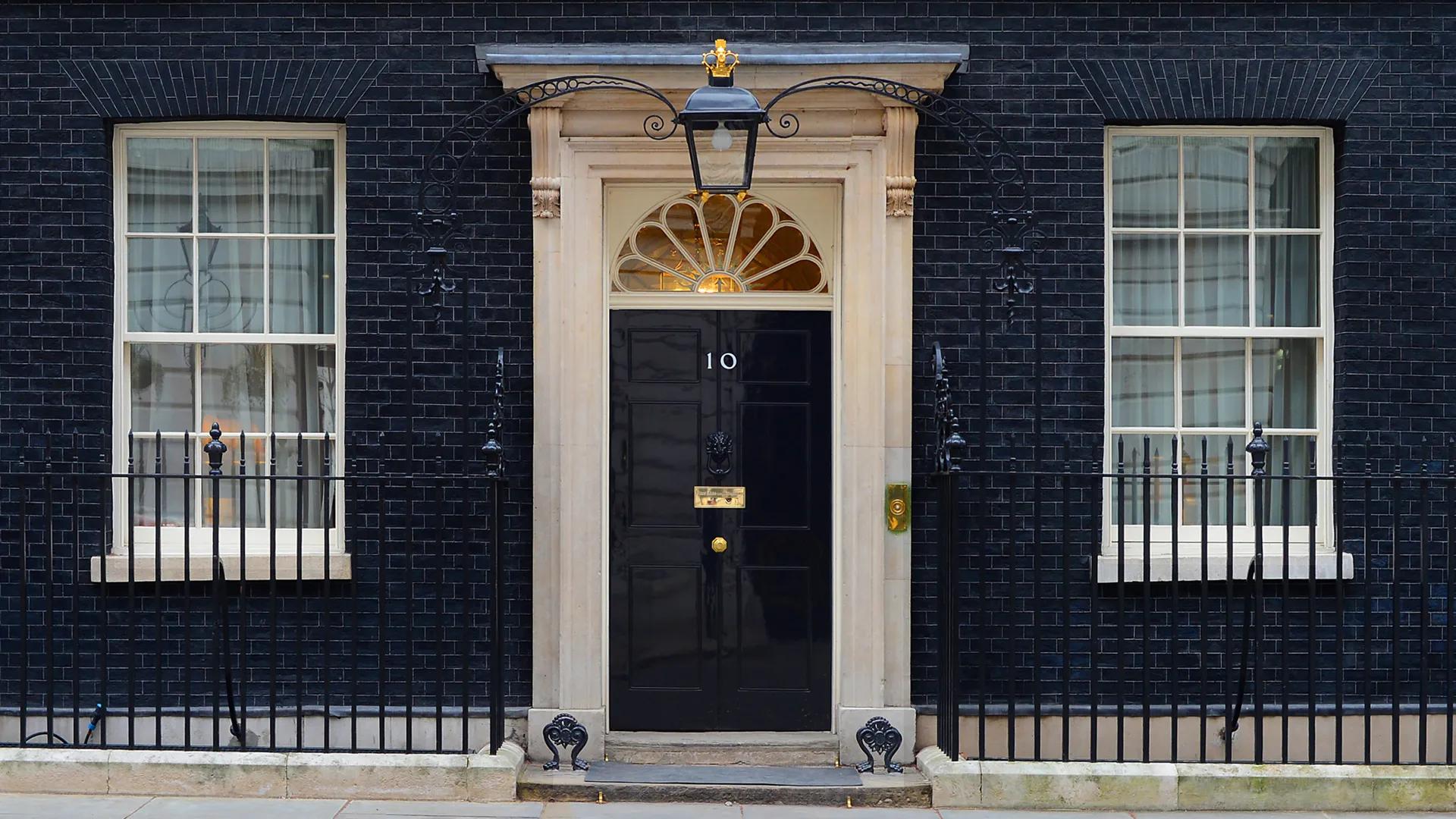
Starmer is expected to remain in Number 10 until his successor is chosen, allowing for an orderly handover rather than an immediate transfer of power. Labour nominations are due to open on 9 July, with the party now preparing for a leadership contest that could decide the country’s next Prime Minister.
The announcement follows days of mounting pressure inside Labour after Andy Burnham’s Makerfield by-election victory returned the Greater Manchester Mayor to Parliament and placed him in position for a possible leadership challenge.
Starmer said he had listened to the Labour Party and accepted that he was no longer the person to lead it into the next general election. His resignation marks a dramatic reversal for a Prime Minister who entered office with one of the largest parliamentary majorities in modern British politics.
Why Starmer Is Going
Starmer came to power promising stability, competence and a break from years of political turmoil. Less than two years later, his government has been weakened by public frustration, pressure over immigration, questions over energy policy, internal Labour unrest and the rise of Reform UK.
The immediate political trigger was Burnham’s return to Westminster. Labour leadership candidates must be MPs, and Burnham’s Makerfield victory removed one of the biggest obstacles to a challenge. His supporters believe he offers Labour a stronger connection with voters outside London and a better chance of responding to Reform UK in working-class areas.
Starmer had previously insisted he would not step aside, but the pressure became harder to contain as Labour MPs began openly questioning whether he could lead the party into the next general election.
Burnham Moves Into Position
Andy Burnham is now widely seen as the frontrunner to replace Starmer.
His return to Parliament has changed the shape of Labour politics. After years as Mayor of Greater Manchester, Burnham now has the platform required to contest the leadership and potentially enter Downing Street without a general election.
That would be constitutionally normal if Labour retains its Commons majority, but it will still be politically contentious. Opposition parties are already likely to argue that a new Prime Minister should seek a fresh mandate from voters.
For Labour, the calculation is different. The party must decide whether a leadership contest gives it a chance to reset, or whether a drawn-out internal battle risks making the government look even weaker.
What Happens Next
Labour’s nomination process is expected to open on 9 July. Candidates will need enough support from Labour MPs to qualify, with the party then deciding whether the contest goes to members and affiliates or whether a single candidate is returned unopposed.
If only one candidate secures the required backing, the new leader could be chosen quickly. If more than one candidate qualifies, the leadership race is expected to run through the summer, with a new leader in place before Parliament returns in September. Until then, Starmer remains Prime Minister.
That means Britain is now entering a transition period. The government continues, but its leader has already accepted that his time in office is coming to an end.
A Government Searching for Direction
Starmer’s resignation does not solve Labour’s deeper problems.
The next leader will inherit the same challenges: immigration, public services, living standards, energy costs, public trust and the growing threat from Reform UK. They will also have to hold together a party that has moved from landslide victory to leadership crisis in less than two years.
For Labour, this is now a test of discipline. A clean transition could allow the party to present itself as renewed and serious. A messy contest could deepen the impression of a government losing control.
For Britain, the question is bigger than one man.
Starmer promised stability after years of chaos. His resignation now leaves the country facing another change of Prime Minister, another internal party contest, and another uncertain political reset.
The leadership race will decide who replaces him. It may also decide whether Labour can recover before the public gets its say again.