
Counter-terrorism police have said the killing of Ann Widdecombe was a targeted attack as investigators examine evidence of possible planning or preparation.
A 28-year-old man arrested in South Yorkshire remains under investigation on suspicion of murder and the commission, preparation or instigation of acts of terrorism. Police obtained an extended detention warrant allowing officers to continue questioning him under the Terrorism Act.
Counter Terrorism Policing South East took control of the investigation after police said new information and evidence emerged following the man’s arrest.
Laurence Taylor, the head of National Counter Terrorism Policing, said officers were still working to establish how much planning may have taken place and the motivation behind the attack.
“It is clear that this was a targeted attack,” he said.
Evidence of Possible Planning
Extensive searches have taken place at an address in Rotherham, where police investigative activity has continued.
Taylor said officers had found evidence of planning, although police did not disclose the nature of that evidence. Investigators are pursuing several lines of enquiry, including examinations of electronic devices and other digital material.
Separate media reports published on 14 July claimed that communist literature, Russian-related publications and other material reflecting varying political ideologies had been discovered during searches connected to the suspect.
The claims were originally attributed to the Daily Mail and subsequently reported by Brussels Signal. Police had not publicly confirmed the description of the material or established whether it had any connection to the killing.
The reported discovery may form part of the investigation into a possible ideological motive, but possession of political literature would not by itself demonstrate why the attack took place.
The suspect has not been charged, and his identity has not been released.
Motivation Remains Unconfirmed
Although the involvement of counter-terrorism officers represents a significant development, police have not formally established the motive behind Widdecombe’s killing.
The investigation will need to determine whether she was targeted because of her political career, her public views, another personal factor or for reasons not yet known.
The presence of reported political material may prove relevant, irrelevant or open to several interpretations. Until police establish its nature and significance, it should not be treated as proof of a communist, left-wing or other ideological motive.
Earlier Police Assessment Changed
Police initially said there was nothing to indicate that Widdecombe’s death was connected to terrorism or politically motivated.
That position changed as further evidence emerged during the investigation. The case was subsequently transferred to Counter Terrorism Policing South East, and the suspect was rearrested under terrorism legislation while already in custody.
The change does not necessarily mean police have concluded that the killing was an act of terrorism. Counter-terrorism investigators possess specialist powers and experience that can be used while evidence, planning and potential motivation are examined.
However, the description of the killing as a targeted attack makes clear that investigators do not currently believe Widdecombe was selected at random.
A Brutal Attack in Her Own Home
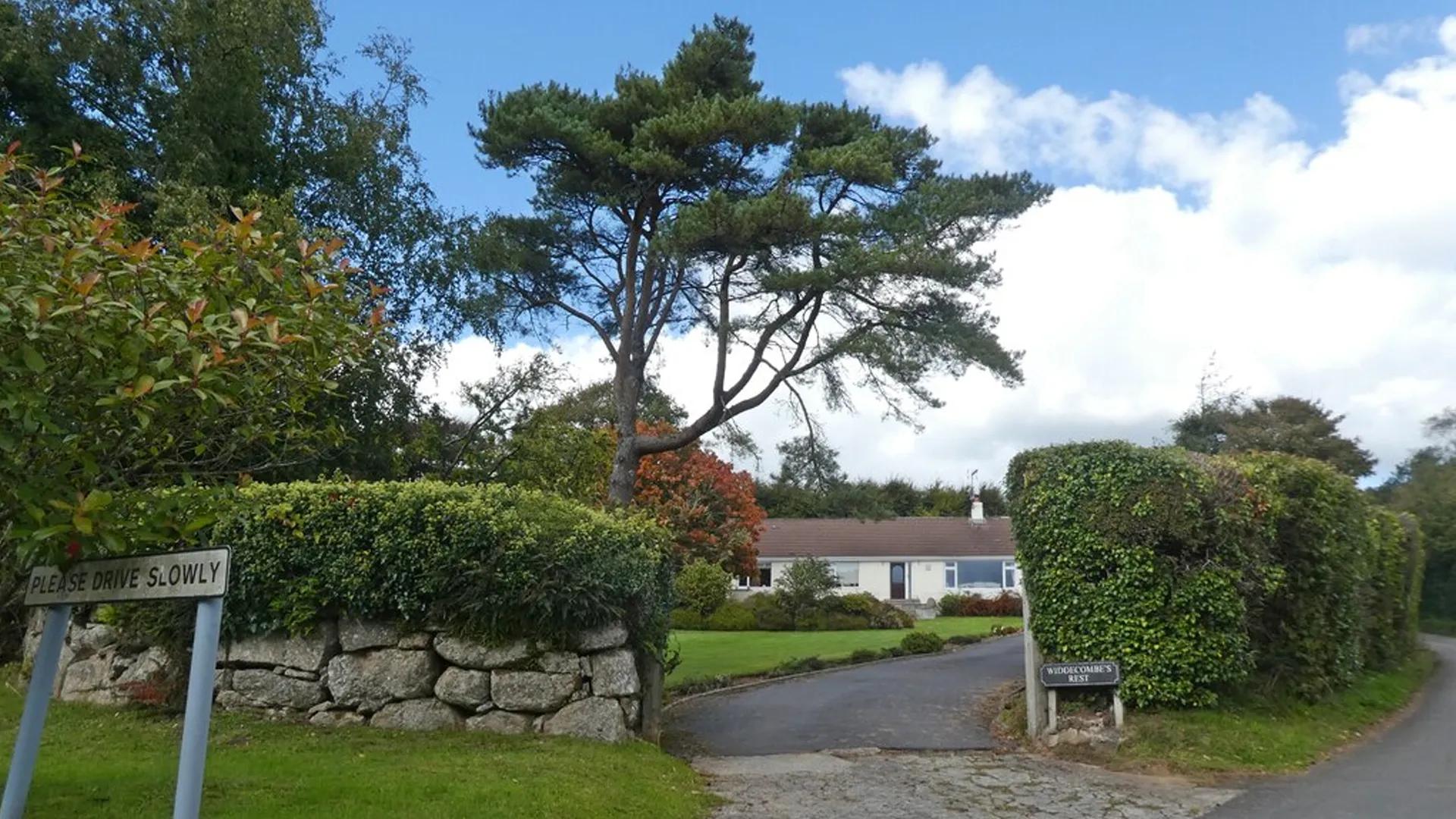
Widdecombe, aged 78, was found dead at her home near Haytor in Devon after suffering serious injuries.
Police believe she was attacked shortly after midday on 8 July, after which she failed to appear for a scheduled television interview. She was found dead the following day.
Taylor described what happened as a brutal attack on an elderly woman in her own home. Police have asked the public not to spread unverified claims while officers continue their work.
The investigation is now focused not only on establishing what happened, but also on determining why Widdecombe was targeted and whether significant preparation took place beforehand.
Claims about a political or ideological motive remain unconfirmed. What police have publicly established is that Widdecombe was deliberately targeted, evidence of planning has been discovered and potential terrorism offences form part of the investigation.