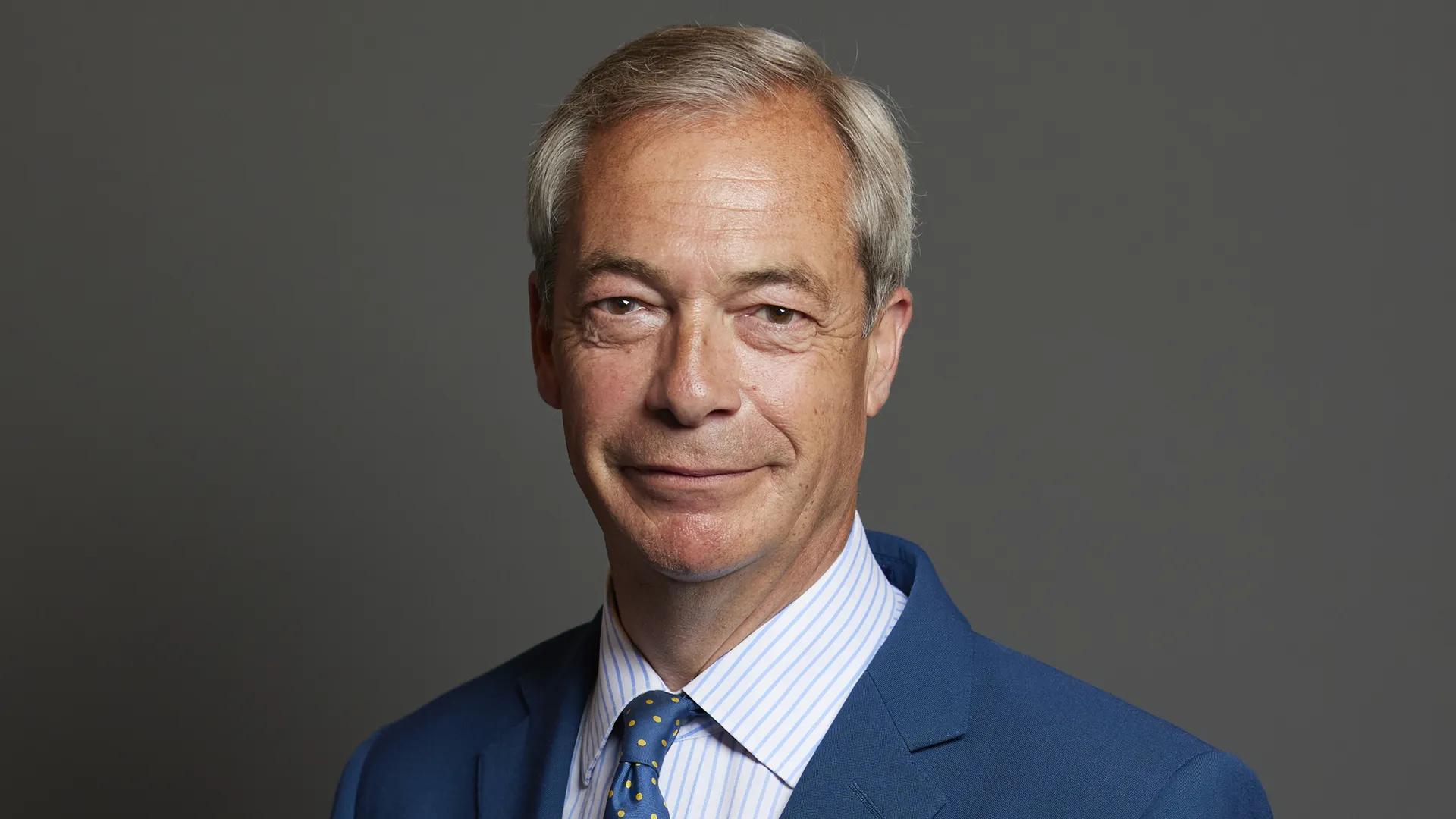
Nigel Farage has resigned as the MP for Clacton, triggering a by-election in the seat he won at the 2024 general election.
The Reform UK leader has said he will stand again, putting the decision back to the people of Clacton. His resignation follows scrutiny over financial declarations and gifts, with questions being examined through parliamentary standards processes. Farage denies wrongdoing and has framed the contest as a chance for voters, rather than Westminster, to judge him.
Why Clacton Is Voting Again
This is not a by-election caused by usual means. It has been created deliberately by the sitting MP resigning and then standing again, which makes the contest unusual. Farage is not walking away from Clacton, but asking the same constituency to send him back to Westminster.
The reason for the by-election is the scrutiny surrounding Farage’s financial declarations. He has faced allegations over undeclared gifts and financial support, including questions about whether certain donations, benefits, or assistance should have been declared under parliamentary rules. Farage denies wrongdoing and has argued that the matter should be judged by voters.
Clacton is already central to Farage’s return to Parliament. In the 2024 general election, he won the seat with 21,225 votes, taking 46.2% of the vote and a majority of 8,405.
That result gave Reform UK one of its most important parliamentary footholds. It also made Clacton the place where Farage finally entered the House of Commons after previous attempts elsewhere.
What the Vote Can Decide
The by-election gives Clacton voters a fresh say. They may decide they still want Farage as their MP, and if they do, that is their democratic right. A renewed mandate would matter politically because it would show that enough local voters still back him despite the controversy surrounding the contest.
But it would not settle everything. Elections decide who represents a constituency, while standards processes decide whether MPs have followed the rules expected of them. Those are not the same thing.
Farage could win Clacton again and still face the continuation of formal questions about conduct. That does not mean he is guilty of wrongdoing. It means the by-election itself does not automatically answer the procedural side of the issue.
What the By-election Does Not Settle
This by-election is unlikely to change the wider situation. If the people of Clacton choose Farage again, he returns to Parliament with a renewed political mandate. That would be a clear local answer, but it would not remove the criticisms, the scrutiny, or the possibility that formal processes continue.
There is also a further point. If a standards outcome ever led to a qualifying suspension from the Commons, the recall process could still become relevant. Under UK recall rules, a recall petition can be opened in certain circumstances, including when an MP is suspended from the House for the required period. If 10% of eligible voters in the constituency sign, the seat is vacated and a by-election follows.
That does not mean another by-election will happen. It means this vote may not be the final word if later conduct outcomes create further consequences.
For Clacton, the immediate question is whether the constituency wants to return Farage after he chose to resign and stand again. For the wider country, the answer is more complicated. A by-election can renew a mandate, but it cannot rewrite the rules. The people of Clacton may well choose Farage again, but even if they do, the situation around him may not change as much as the by-election suggests.