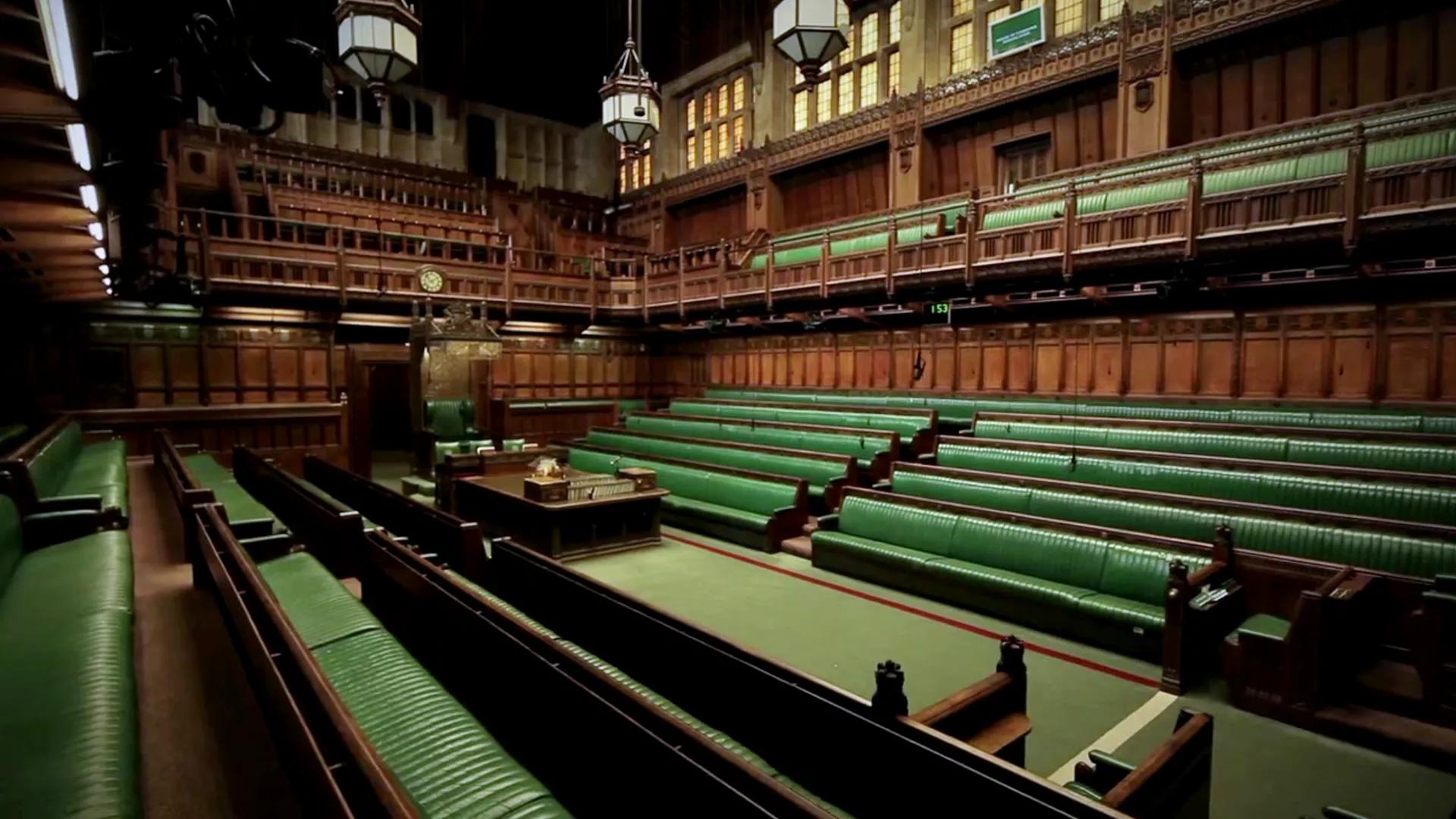
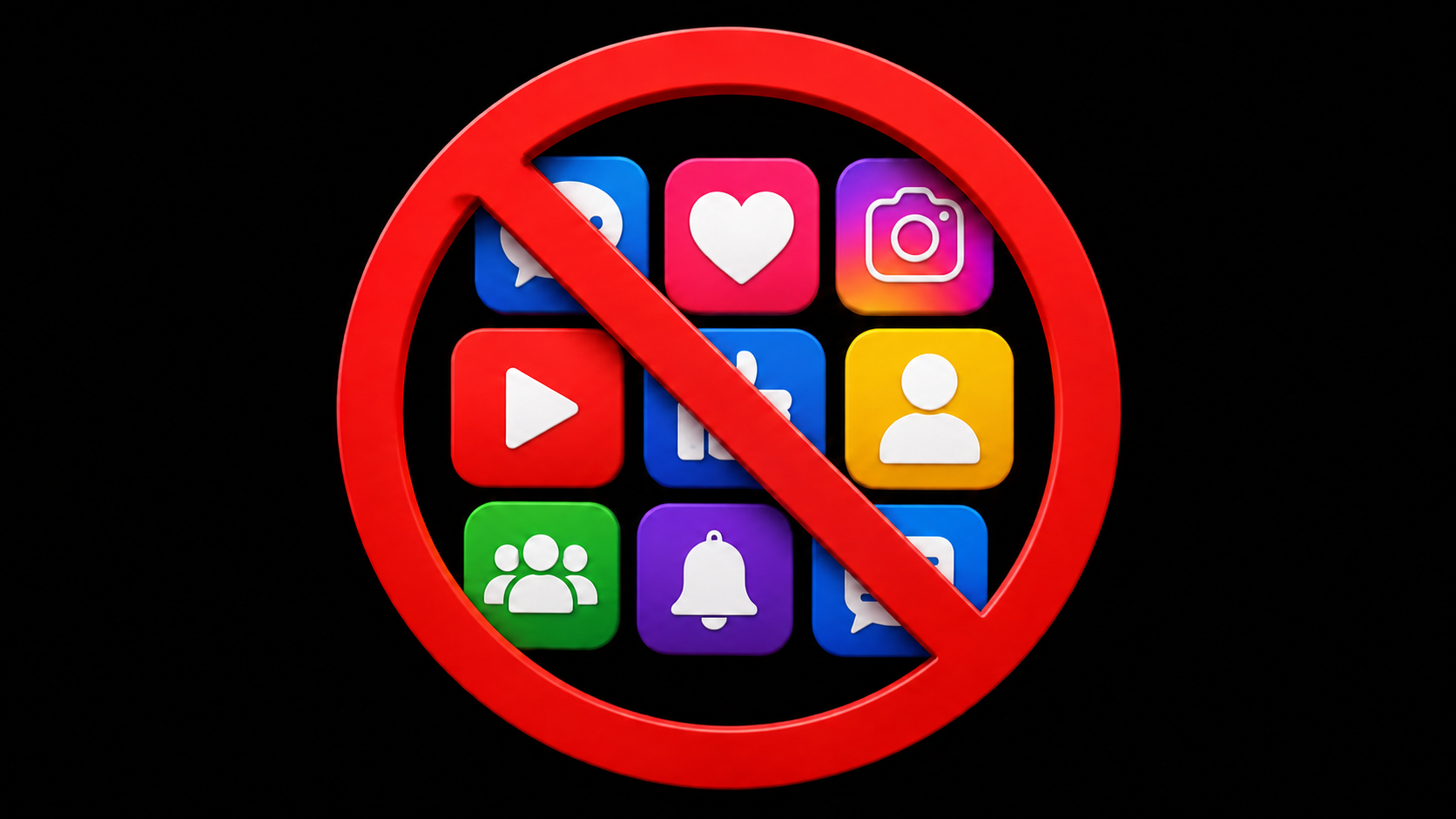
Britain is set to ban under-16s from using major social media platforms, following a model already introduced in Australia.
The government says the move is designed to protect children from harmful online content, addictive design, contact from strangers and the wider effects of social media on childhood. The rules are expected to apply to major social platforms, including services similar to TikTok, Instagram, Snapchat, Facebook, YouTube and X.
Messaging apps such as WhatsApp and Signal are not currently expected to be included in the ban.
The first regulations are expected before the end of 2026, with the ban due to come into force in spring 2027.
What the ban would do
The government’s position is simple: children under 16 should not be left inside systems that are built to hold attention, push content, and encourage constant engagement.
Alongside the ban itself, the government has also pointed to wider restrictions on risky online features. These could include limits on livestreaming, contact from adult strangers, and certain forms of harmful or age-inappropriate interaction.
Supporters of the policy argue that parents have been left to fight a losing battle against some of the world’s most powerful technology companies. A legal ban would shift responsibility away from families and onto the platforms themselves.
In theory, that sounds straightforward. In practice, the question is whether it can actually be enforced.
Why Australia matters
The UK proposal is heavily influenced by Australia, which brought in social media age restrictions for under-16s in December 2025.
Australia’s eSafety Commissioner said platforms had removed access to 4.7 million under-16 accounts by mid-December 2025. That suggests major platforms can take action when forced to do so.
However research has raised doubts about how effective the ban has been.
Polling by the Molly Rose Foundation and YouthInsight found that 61% of Australian children aged 12 to 15 who previously had accounts on restricted platforms still had access to at least one active account after the ban.
The enforcement problem
The current minimum age for many social media platforms is already 13, but Ofcom has warned that these rules are not being properly enforced.
Ofcom research found that children were accessing sites and apps with a minimum age of 13 requirement. That means the issue is not only whether new laws are created, but whether companies can be made to follow them.
This is the heart of the policy challenge. A ban for under-16s sounds clear. But a platform cannot reliably block under-16s unless it can tell who is under 16.
That means some form of age assurance will be needed. This could involve account history, payment data, device-level checks, facial age estimation, third-party verification, or other technical systems.
The government says Ofcom will set out how platforms should comply.
A popular idea with unanswered questions
Many parents will welcome the ban. Concerns about online harm, bullying, sexual content, self-harm material, addictive algorithms and stranger contact are not imaginary. For some families, social media has become a daily source of conflict and anxiety.
Britain now faces the same problem Australia is already testing. A weak ban may become symbolic. A strong ban may require much deeper checks on who is using the internet.
For now, the government is presenting the policy as a clear line in the sand: under-16s should not be on major social media platforms.
The harder question is whether that line can be enforced without changing the internet for everyone else.